As of early 2026, Metro Manila’s residential condominium market continues to grapple with elevated vacancy levels, with around 24.7 percent of units remaining unoccupied. In simple terms, roughly one out of every four condo units across the metropolis is vacant.
There are, however, signs that the market is gradually stabilizing. Inventory life—the amount of time needed to absorb all unsold units at current sales rates—improved to about 30 months in the first quarter of 2026, down from 41 months at the end of 2025. While this remains significantly above the pre-pandemic norm of 12 to 15 months, it suggests that demand is slowly catching up with supply. Even so, approximately 75,000 condominium units across Metro Manila remain vacant, unsold, or unused.
Looking at Metro Manila as a single market can be misleading. The oversupply issue is concentrated in specific locations and segments rather than affecting the entire region equally.
Much of the current imbalance can be traced to identifiable factors. The departure of Philippine Offshore Gaming Operators (POGOs) removed a major source of residential demand, particularly in areas that had heavily relied on foreign tenants. At the same time, higher borrowing costs reduced housing affordability for many buyers. The Bangko Sentral ng Pilipinas' higher interest rate environment through 2024 weakened purchasing power, resulting in increased cancellations, project delays, and softer resale values. Residential backouts peaked at around 4,800 units in the first quarter of 2025 before easing to approximately 3,600 units in the second quarter—still a considerable figure.
Not all segments have been affected equally. The upscale and luxury condominium market has shown remarkable resilience. By late 2025, pre-selling take-up rates for premium developments reached around 85 percent, indicating that the current challenges are largely concentrated in the mass-market segment rather than the market as a whole.
In many ways, the oversupply issue is primarily a problem for former POGO-driven locations and heavily saturated mid-market developments. Alabang falls into neither category.
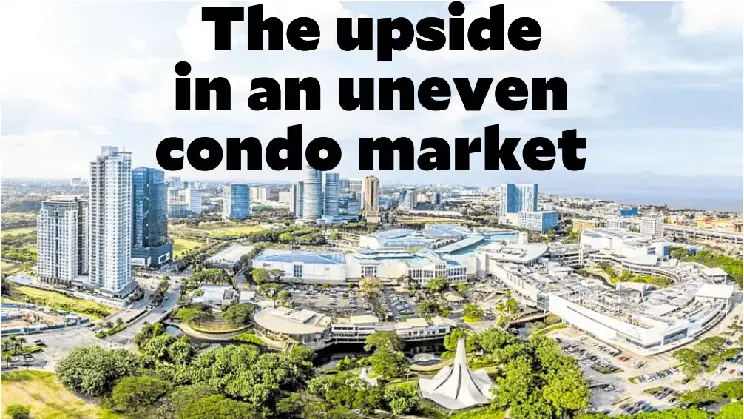
Alabang occupies a unique position within Metro Manila’s residential landscape. It has evolved into a well-planned, mixed-use district supported by strong employment centers, educational institutions, healthcare facilities, and retail hubs. Its self-contained ecosystem has made it one of the most established urban communities south of Makati.
Supply in Alabang is expected to grow significantly, with condominium inventory projected to increase by nearly 49 percent—from about 5,660 units in 2023 to approximately 8,440 units by 2026. Importantly, much of this new supply is concentrated in the premium and upscale segments rather than the lower-priced market.
Rental performance remains one of Alabang’s strongest advantages. Residential investments in the area continue to generate estimated net rental yields ranging from 5.2 to 8.0 percent. Smaller units in mid-tier developments typically command monthly rents between ₱27,000 and ₱40,000, while premium two-bedroom units can lease for ₱75,000 to ₱80,000 per month. Luxury residences often achieve rents exceeding ₱200,000 monthly.
Infrastructure further strengthens Alabang’s long-term appeal. The district already benefits from excellent connectivity through the South Luzon Expressway (SLEX), Skyway, and the Muntinlupa-Cavite Expressway (MCX). Upcoming transportation and infrastructure projects are expected to improve accessibility even further, reinforcing the area's attractiveness to both residents and investors.
That said, Alabang is not without risks.
Its office market continues to face challenges following the exit of POGO tenants. While the business process outsourcing (BPO) sector remains a key demand driver, it is also facing potential disruption from artificial intelligence and automation. Should AI-related workforce reductions outpace the growth of Global Capability Centers (GCCs), residential demand from office workers could weaken.
The projected addition of roughly 2,780 condominium units by 2026 remains manageable—but only if employment growth within Alabang’s business districts continues.
Likewise, the district’s mid-income condominium segment is not immune to broader Metro Manila market pressures. Units priced between ₱3.5 million and ₱7 million could face the same leasing competition and resale challenges currently affecting similar developments in Quezon City, Pasay, and other oversupplied areas.
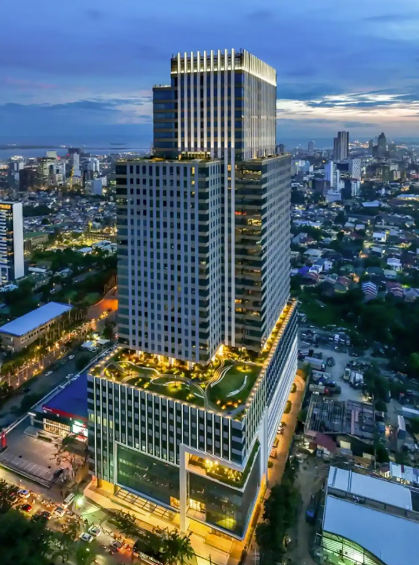
The strongest opportunity appears to lie in the premium and upscale market. Current market conditions suggest a shortage of well-designed, professionally managed condominium developments priced at ₱20 million and above. This segment continues to attract affluent end-users, professionals, expatriates, and investors seeking quality assets in established locations.
Viewed within the broader Metro Manila market, Alabang remains one of the more compelling residential investment destinations in 2026.
Its combination of strong employment anchors, premium-focused development pipeline, attractive rental yields, and improving infrastructure provides a level of stability that many other submarkets currently lack. Investing in an upscale Alabang condominium is not simply a bet on market recovery—it is an investment in long-term demand drivers that existed before the current oversupply cycle and are likely to remain relevant well after it ends.
Success, however, depends on choosing the right product and price point. Premium and upscale developments that cater to professionals, expatriates, and upper-income owner-occupiers continue to offer the strongest prospects for both rental income and capital appreciation.
More broadly, the outlook for Metro Manila's condominium market is becoming increasingly encouraging. Inventory levels are improving, new project launches have slowed considerably compared to the 2021–2023 period, developers are becoming more disciplined, and interest rate cuts from the BSP are widely anticipated. Most importantly, the fundamental drivers of housing demand in the Philippine economy remain intact.
The Philippine condominium market does not need rescuing—it needs patience, discipline, and informed decision-making.
Real estate cycles are temporary. When the market eventually turns, investors who acquire the right property in the right location, while understanding both the opportunities and the risks, are likely to be rewarded. In Philippine real estate, thoughtful conviction has often proven to be one of the most valuable investment assets.
Read the full article here:
https://www.pressreader.com/philippines/philippine-daily-inquirer-1109/20260606/282192247664519?srsltid=AfmBOooZYJFJy6JTMPchhYJCSkOQSvv4qTsRCG32JEW8Ua22eilJMaT3