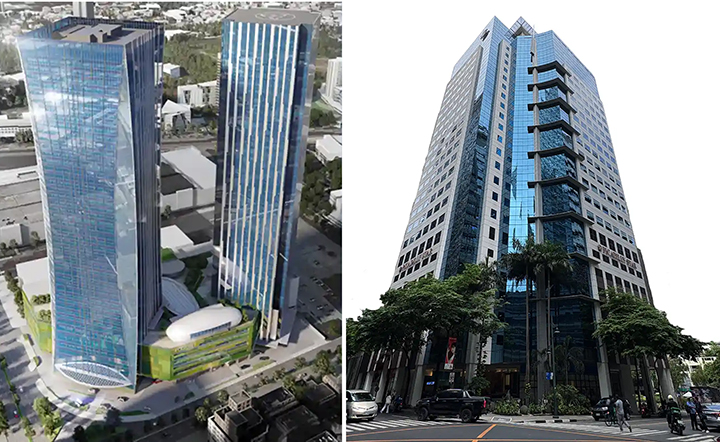
Despite the challenges currently facing the local real estate market, opportunities still exist for investors willing to look closely at the market landscape. According to Sheila Lobien, there will always be areas within the property sector that present potential despite the stage of the real estate cycle. In an interview with the BusinessMirror, she explained that some landlords, unable to cope with difficult economic conditions, are lowering rental rates, making quality commercial spaces more accessible to tenants and investors.
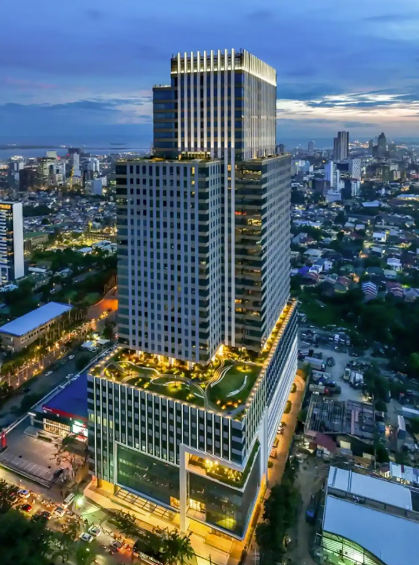
Lobien also noted that the residential market continues to show positive signs, particularly in the premium condominium segment. Buyers in this category tend to maximize their purchasing power during slower market conditions, while ultra-high-net-worth individuals remain largely unaffected by economic downturns. Instead, these buyers are more focused on exclusivity, prestige, branding, and the availability of “trophy” properties.
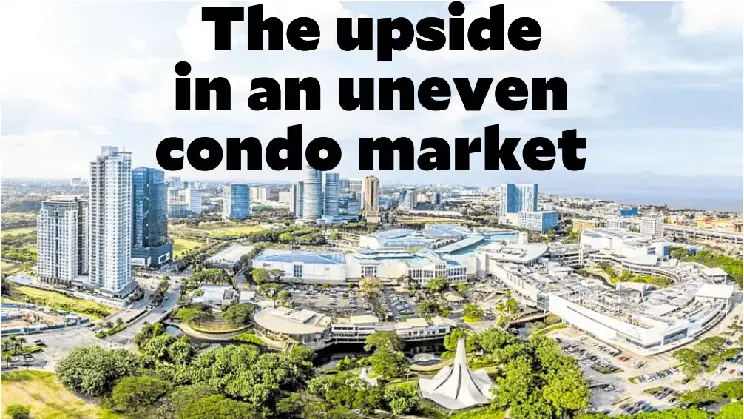
She added that the secondary residential market has become another attractive option for investors, with many owners selling units below the prices of newly launched developments. Condominium properties in areas such as Makati and Bonifacio Global City continue to demonstrate stronger value retention compared to other residential districts and townships across Metro Manila.
Meanwhile, the industrial real estate sector has remained stable and resilient. Lobien Realty Group attributes this to the continued expansion of e-commerce, increasing demand for cold storage facilities, and long-term lease arrangements that help cushion the sector from short-term economic uncertainties.
Lobien emphasized that successful real estate investment depends largely on three factors: location, the credibility of the developer, and timing. She explained that timing is best understood through the property cycle, which includes recovery, expansion, hyper-supply, and recession phases.
At present, the Philippine office, retail, and residential sectors are still considered to be in the recovery stage due to elevated vacancy rates, softer rental prices, and existing supply levels. Office vacancy rates in Metro Manila, for example, increased from around 5 percent before the pandemic to over 20 percent in 2024. This was mainly caused by slower office demand after the pandemic, the completion of new office buildings, and the departure of Philippine offshore gaming operators (POGOs). As a result, tenants now have greater negotiating power in selected office markets.
Rental rates for commercial spaces remain below pre-pandemic levels, while condominium developers continue to offer significant discounts. Secondary market residential prices also remain lower compared to pre-pandemic valuations.
In contrast, industrial properties such as warehouses and storage facilities continue to experience expansion, supported by the sustained growth of online commerce and healthy occupancy levels.
Lobien believes the recovery phase for commercial and residential real estate may continue over the next three to five years, depending on economic factors such as GDP growth, inflation, foreign direct investments, interest rates, and consumer confidence. She also noted that geopolitical tensions in the Middle East have created unexpected economic pressures that may slow the country’s real estate recovery.
Although entering the market too early carries risks such as higher borrowing costs and weaker rental returns, delaying investment also has disadvantages. Lobien pointed out that expected increases in benchmark interest rates could result in more expensive mortgage financing in the second half of 2026. At the same time, investors and tenants who wait too long may miss opportunities to secure prime office spaces or high-quality residential properties before the market enters a stronger expansion phase.
Ultimately, Lobien advised real estate players to strike a balance between obtaining favorable financing or rental terms and securing quality properties at the right time. Understanding the property cycle, she said, is essential in maximizing opportunities during the market’s recovery stage.
Read the full article here:
https://businessmirror.com.ph/2026/05/26/property-sector-still-bullish-despite-headwinds/